By Taegyn Knowles
Eighth grader Taegyn Knowles shares an important message about mental health and why it matters. In this post, Taegyn discusses common mental health challenges, signs to watch for, ways to take care of your mental well-being, and where to find support if you or someone you know is struggling. Her goal is to remind readers that they are not alone and that help is always available.
More than one billion people worldwide are affected by a mental health disorder. Mental health can look different for everyone, but how do you know when to be concerned—and what can you do to take care of yourself?
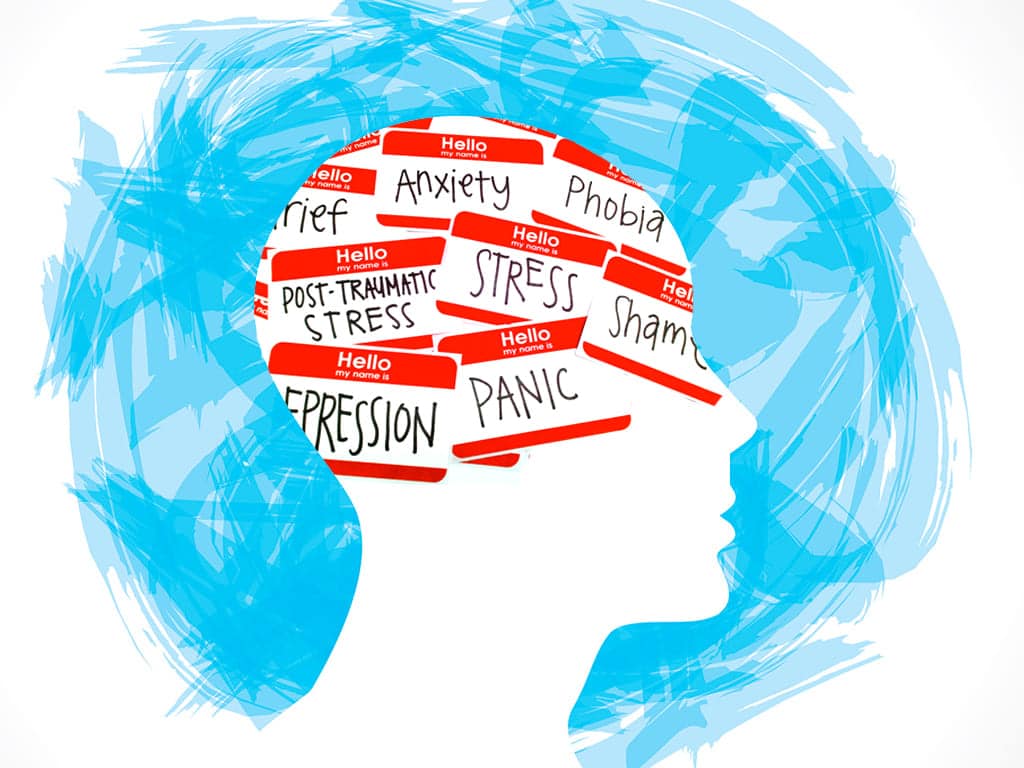
Mental health can change from day to day. One day you may feel great, and the next you may feel overwhelmed or exhausted. While mood changes are normal, persistent feelings of sadness or hopelessness can be signs of depression. Other common mental health disorders include anxiety, obsessive-compulsive disorder (OCD), and post-traumatic stress disorder (PTSD). Symptoms may include negative self-talk, comparing yourself to others, feelings of worthlessness, difficulty concentrating, or even suicidal thoughts.
Poor mental health can show up in many ways, including extreme mood swings, trouble completing daily tasks, withdrawing from friends or activities, changes in sleep or appetite, and ongoing negative thoughts about yourself. Recognizing these signs early is an important step toward getting help.
There are several ways to support and maintain good mental health. Getting enough sleep, staying physically active, eating a balanced diet, and taking breaks from your phone or social media can make a big difference. Even small changes in daily habits can have a positive impact.
Many people also experience seasonal depression, also known as seasonal affective disorder (SAD). This often occurs during the fall and winter months when there is less sunlight. People with seasonal depression may feel sad, tired, or unmotivated, but these feelings often improve in the spring or summer. Coping strategies include spending time outside, staying connected with friends, exercising regularly, getting enough sleep, and eating healthy foods.
If you are struggling with your mental health, remember that you are not alone. Talking to a trusted adult, teacher, counselor, or family member can help. You can also find support through resources like HelpGuide, SAMHSA’s Find Support page, or the 988 Suicide & Crisis Lifeline. You can call or text 988 anytime to connect with someone who cares and wants to help.
Taking care of your mental health is just as important as taking care of your physical health, and asking for help is a sign of strength.
 The West Prairie Press
Leave a comment